Which iPad should I buy? How to choose the best iPad for you
Posted on
by
Kamso Oguejiofor-Abugu

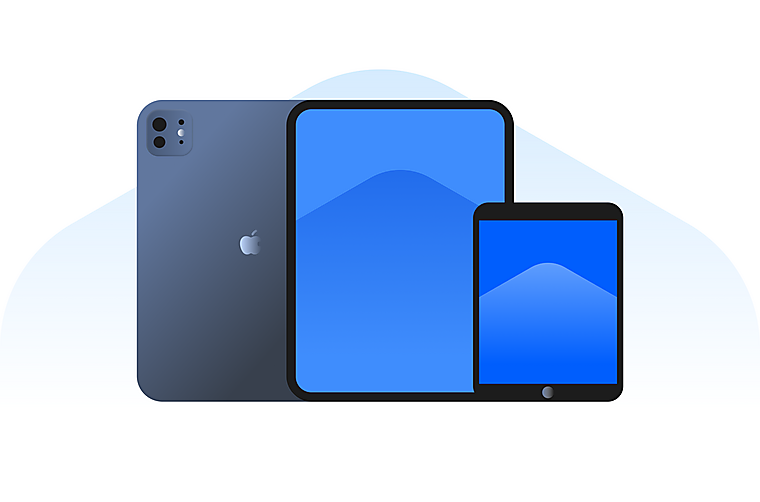
Choosing an iPad is more complicated than it used to be. Apple now offers several models with different screen sizes, processing chips, Apple Pencil support, and accessories, and the right one depends mostly on how you plan to use it.
Some iPads are designed mainly for casual use, like browsing, reading, and streaming, while others make more sense for drawing, multitasking, creative work, or replacing part of your laptop workflow.
This guide compares the current iPad lineup so you can see which one fits most naturally into your daily routine and the way you prefer to work.
Quick iPad recommendations by need
Here are the best iPads for common use cases:
- Best iPad for most people: iPad Air
- Best budget iPad: iPad (A16)
- Best iPad for college: iPad Air
- Best iPad for drawing: iPad Air
- Best small iPad: iPad mini
- Best for professional work: iPad Pro
- Best if money is no object: iPad Pro
Start here: choosing the right iPad
For most people, the iPad Air is the easiest recommendation. It works well for everyday tasks, school, creative hobbies, and longer-term use without moving into the much higher price range of the Pro models.
The standard iPad is still a great choice if you mainly browse, stream, read, or take notes and want to spend less. If portability matters most, the iPad mini is best, while the iPad Pro is designed more for professional creative work and demanding apps.
The comparison table below gives a quick overview of how the current iPad models differ.
Compare the current iPad models
| Model | Best for | Screen size | Chip | Apple Pencil support | Keyboard support |
| Standard iPad | Browsing, streaming, reading, and daily use | 11-inch | A16 | Apple Pencil USB-C and Apple Pencil 1st generation | Magic Keyboard Folio |
| iPad mini | Travel, reading, portability, and one-handed use | 8.3-inch | A17 Pro | Apple Pencil Pro and Apple Pencil USB-C | Bluetooth keyboards |
| iPad Air 11-inch | School, everyday work, browsing, and light creative tasks | 11-inch | M4 | Apple Pencil Pro and Apple Pencil USB-C | Magic Keyboard for iPad Air |
| iPad Air 13-inch | More screen space for multitasking, drawing, and split-screen use | 13-inch | M4 | Apple Pencil Pro and Apple Pencil USB-C | Magic Keyboard for iPad Air |
| iPad Pro 11-inch | Creative professionals who want Pro performance in a portable size | 11-inch | M5 | Apple Pencil Pro and Apple Pencil USB-C | Magic Keyboard for iPad Pro |
| iPad Pro 13-inch | Advanced creative work, video editing, and laptop-like workflows | 13-inch | M5 | Apple Pencil Pro and Apple Pencil USB-C | Magic Keyboard for iPad Pro |
Which iPad is right for you? Pros and cons by model
Need a faster way to decide? The specs above show how the models compare on paper. The table below focuses on the practical buying decision — why each iPad may be the right fit, and when you should choose something else.
| Model | Main reason to buy it | Main reason to skip it |
| Standard iPad | It handles everyday tasks well at the lowest price. | It is less suited to demanding creative work or heavy multitasking. |
| iPad mini | It is the easiest iPad to carry, hold, and use one-handed. | The smaller screen can feel cramped for work, drawing, and multitasking. |
| iPad Air 11-inch | It offers the best balance of performance, portability, Apple Pencil support, and price for most people. | Some casual users may not need the extra power over the standard iPad. |
| iPad Air 13-inch | It gives you more screen space without moving up to the iPad Pro. | It is less portable and more expensive than the 11-inch Air. |
| iPad Pro 11-inch | It gives you Pro-level performance in the more portable Pro size. | It is overkill for browsing, notes, streaming, and everyday tasks. |
| iPad Pro 13-inch | It is the most capable iPad for complex creative and professional workflows. | It is expensive, and many users will not need this level of power. |
Which iPad is best for most people?
It also pairs well with the Apple Pencil and a keyboard, so you can shift from sketching a quick idea to typing out a long email without needing a separate computer.
The iPad Pro model starts to make more sense if your work involves demanding tasks, such as writing code or editing high-resolution videos. Otherwise, the Air feels fast and flexible for day-to-day use.
Compared to the standard iPad, the iPad Air uses a more powerful chip, making it a better fit for light creative tasks like photo editing, graphic design, digital illustration, and casual video editing.
However, if you primarily stick to basic tasks like checking email, watching movies, or browsing the web, the standard iPad is a good choice at a lower price.
Best budget iPad
You can also use it with an Apple Pencil or Magic Keyboard, which is helpful if you prefer to handwrite your class notes or have a long letter to type.
It’s also a practical family iPad, whether it’s being used for homework, reading, or keeping the kids entertained during a long car ride.
Unless you already know you need extra power, display quality, or creative features, you’ll likely find that this iPad handles basic daily tasks quite comfortably.
Which iPad is best for students?
It’s also powerful enough for multitasking, whether you’re keeping lecture slides open beside a textbook, switching between a research doc and your class notes, or working in a photo editor.
Apple Pencil support makes it useful for handwritten notes, annotating documents, or sketching quick diagrams during lectures. You can also pair it with a keyboard if you need to type emails, write essays, or work on assignments more comfortably.
The standard iPad can still be a sensible choice if your coursework mostly involves reading, web browsing, and basic note-taking. The iPad Pro is usually only worth the extra cost for students regularly working with professional creative software, advanced design tools, or heavy video editing.
Which iPad is best for drawing?
It depends on how often you draw, how much screen space you want, and how advanced you want your Apple Pencil features to be.
For most people, the iPad Air is the best choice. It works with Apple Pencil Pro, so drawing feels more natural with features like pressure sensitivity, tilt for shading, and hover for better precision. Its laminated display also makes the Pencil feel closer to the screen, and there’s a 13-inch option if you need more canvas room.
The iPad Pro is better for professional artists. It has the same Apple Pencil Pro support as the Air but adds a brighter, richer display and a smoother 120Hz screen, which makes drawing feel more responsive.
Do I need an iPad Pro?
There are only two iPad Pro models: 11-inch and 13-inch. Both offer the same performance, display quality, and features, so the main difference is simply size.
The 11-inch iPad model is better if you want something easier to carry around. It feels lighter in your hands and makes more sense if you travel often, commute, or regularly switch between using it as a tablet and at a desk.
The 13-inch model is better if you need more room for video editing, drawing, split-screen apps, or multitasking. The extra screen space can make it feel closer to using a laptop.
You should also consider whether you truly need the extra capabilities of the Pro. If you mainly browse the web, stream, take notes, read, do schoolwork, or handle everyday tasks, the iPad Air is very capable for a lower price.
Is the iPad mini worth buying?
For most people, the current iPad mini (A17 Pro) is the best iPad mini to buy. If you want a small, easy-to-carry iPad for reading, travel, note-taking, gaming, or using with one hand, it’s the strongest option.
The main advantage of picking it over older models is longer software support, which matters if you plan to keep it for a long time. It’s also slightly lighter than older versions, making it a bit more comfortable to carry throughout the day.
An older or refurbished iPad mini may still make more sense if you find a good deal from a reputable seller and only plan to use it for basic things like browsing the web or reading.
It’s worth keeping in mind that the iPad mini isn’t an all-purpose tool for everyone. It’s wonderful for travel and quiet reading, but if you need a screen for a full day of office work or school projects, you will likely find the standard iPad or iPad Air more comfortable to use.
Should I buy a refurbished iPad?
A newer iPad makes the most sense if you want longer iPadOS support, a faster processor for better long-term performance, and new features like Apple Intelligence.
You might still find that a refurbished or older iPad model from 2025 or earlier does everything you need. If you’re mainly using it to browse, read, stream videos, or keep up with schoolwork, you can save a good amount of money and still have a capable device.
Refurbished iPads can also be a good option if they come directly from Apple’s refurbished store, since they include a fresh battery and a one-year warranty.
Before choosing an older or used model, it helps to check a few practical things:
- iPadOS support: Choose a model that supports the latest iPadOS so you can continue receiving important software and security updates.
- Apple Pencil compatibility: Not every iPad works with every Pencil, so double-check that the iPad and the Apple Pencil work together if you plan to draw or take handwritten notes.
- Storage space: Make sure the iPad has enough storage for apps, photos, downloads, and school or work files.
- Battery health: A used iPad with degraded battery life may not last as long throughout the day.
- Warranty coverage: Refurbished iPads purchased directly from Apple are a much safer investment than buying from an individual seller.
- The price difference: If an older model costs only slightly less than the current version, the newer one may offer better long-term value.
How much iPad storage do I need?
When choosing iPad storage, it helps to think about how you actually use your iPad rather than buying the largest storage option available.
Storage affects how much space you have for apps, downloaded videos, games, photos, documents, and offline files.
For browsing, streaming, researching, email, note-taking, and video calls, the standard storage options on most iPads are usually enough.
If you plan on editing high-resolution photos, downloading large games, or keeping large project files for work, it’s usually worth choosing more storage upfront.
You can always use iCloud or other cloud storage if you need extra space later. But since you can’t upgrade an iPad’s storage after buying it, choosing more space now can help it feel less cramped and easier to use over time.
Should you buy a Wi-Fi or cellular iPad?
For most people, a Wi-Fi iPad is the better choice. It’s more affordable, you won’t have a monthly data bill, and it works well if you mostly use your iPad at home, school, work, or anywhere with reliable internet access.
However, a Wi-Fi + Cellular iPad may be worth considering for people who travel often, commute, work in the field, or use their iPad in places without dependable Wi-Fi. Cellular models also include built-in GPS features, which can be useful for navigation and travel apps.
You might not need a cellular iPad if you only find yourself without Wi-Fi once in a while. In those moments, you can simply share your phone’s internet connection with your iPad using hotspot tethering.
A quick note on iPad security
iPads include strong built-in security protections, but you still need good habits to keep your device and accounts safe. Keep iPadOS updated, use a strong passcode, enable two-factor authentication, download apps from trusted sources.
Be careful with suspicious emails, texts, pop-ups, or login pages that claim to come from Apple. These are common phishing attacks and can be fake Apple security alerts designed to get you to share your password, payment details, or account information.
If you also use a Mac, it’s worth making sure the rest of your Apple setup is protected too. Intego ONE helps protect Macs from malware, phishing, unsafe network activity, and performance issues, so your Mac stays safer alongside the iPad you use every day.
Frequently asked questions
Which iPad should I buy for everyday use?
For most people, the iPad Air is the best all-round choice for work, school, and light creative tasks. If you mainly want an iPad for browsing the web, watching videos, or reading, the standard iPad is usually enough.
Which iPad is best for students?
The iPad Air is usually the best fit for students because it works well for note-taking, reading PDFs, multitasking, research, and keyboard-based work. The standard iPad is still a practical option if your schoolwork is lighter and you just need the basics for class.
Which iPad is best for drawing?
For most people, the iPad Air is the best iPad for drawing. It supports Apple Pencil Pro, has a laminated display that makes drawing feel more natural, and comes in a 13-inch size if you want more room for your canvas. However, if you draw professionally or want the best display and smoothest Pencil experience, the iPad Pro is the better choice.
Do I need an iPad Pro?
Probably not if you’re mostly using your iPad for browsing, streaming, taking notes, or general office work. The iPad Pro is designed for people regularly working with demanding apps, large design projects, or professional video editing.
Is the iPad mini worth buying?
Yes, if portability matters most to you. The iPad mini is great for reading, travel, one-handed use, quick notes, and casual gaming, though the smaller screen can feel limiting for work, multitasking, or laptop-like use.
How much iPad storage do I need?
The base amount of storage is usually fine if you mostly stream, browse, and keep your photos in the cloud. You’ll need more space if you download large games, keep high-resolution videos on the device, store lots of class files, or work with creative projects.
Should I buy a refurbished iPad?
Buying a refurbished iPad from a reputable seller is a good way to save money, provided the discount justifies getting a slightly older model. Just make sure the version you are looking at still runs the current iPadOS, has healthy battery life, includes enough storage, and comes with a warranty.